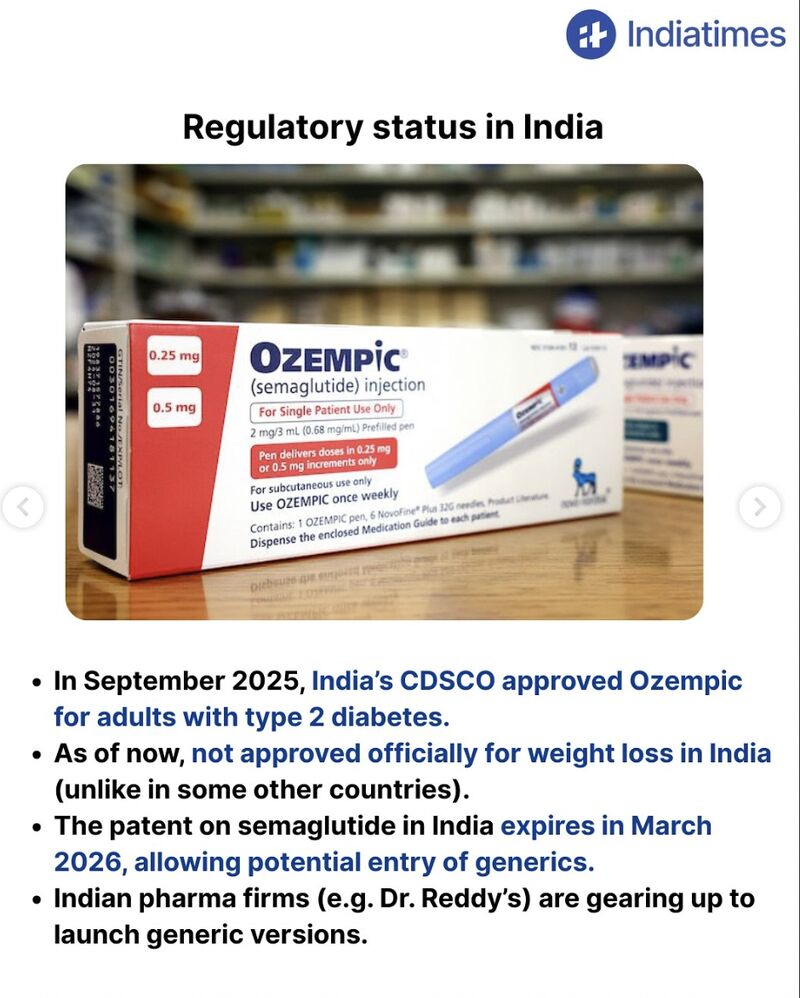
Medications like Ozempic, Wegovy and Zepbound have reshaped the conversation around weight loss and metabolic health. What began as a treatment mainly prescribed for patients living with Type 2 Diabetes has quickly changed into one of the most significant health trends of the time.
But as the initial excitement around these drugs settles, healthcare experts and digital health startups are recognizing that medication alone is not enough. A modern healthcare system is now emerging around GLP-1 treatments companion care systems which is designed to guide patients through nutrition, exercise, behavioural change and long-term health management.
The GLP-1 in Weight Loss
To understand why companion care is becoming essential, it is important to first recognize why GLP-1 medications became so influential and a new trend for 2026.
Traditional weight-loss strategies have always relied on strict diet and exercise. While these approaches are normal, they often struggle to regulate hunger and metabolism. Here, GLP-1 medications work by mimicking a hormone that is naturally produced in the body, helping to regulate appetite and improve blood-sugar control. Drugs like Ozempic, Wegovy and Zepbound help people feel fuller for longer, reduce cravings and slow stomach emptying. This shows us why demand for these medications has increased. But the success of this has also revealed the consequences it creates when it is not accompanied by clear lifestyle guidance, nutritional planning and strength training. So, the focus has shifted toward using these medications more responsibly as taking a GLP-1 without support is now seen as incomplete care.
Why GLP-1 Companion Apps Are the New Trend
Digital health companies are building platforms that guide patients through the lifestyle adjustments that are required to make GLP-1 more effective.
Nutrition Guidance:
Many patients struggle to meet their nutritional needs because their appetite decreases on GLP-1 medications. Companion apps help users to monitor their protein intake, hydration levels and micronutrients. Many platforms recommend nutrient rich meals designed to maximize health benefits despite the reduced calorie intake.
Adequate protein helps to preserve muscle mass while the body loses fat. Some apps also recommend meal plans specifically made for people using GLP-1 drugs. In this way, nutrition shifts from simply eating less to eating strategically.
Strength Training:
Exercise guidance is another important feature of companion care systems. GLP-1 companion apps provide strength training and resistance workouts. Many programs emphasize strength training and resistance exercises which helps to maintain lean muscle during weight loss. By encouraging it, these programs help patients maintain physical strength while improving metabolic health.
The Insurance Perspective
Healthcare insurers are also paying close attention to the rise of GLP-1 companion apps. These apps help patients track their progress, manage their diet and exercise and thus patients tend to remain on treatment plans longer and visit emergency departments less frequently. These can be cost savings for insurers. Fewer medical emergencies and better overall health results means that insurers may spend less on expensive treatments and hospital care. Many insurance providers after recognizing this have now been actively encouraging patients to use these digital tools alongside their GLP-1 medications.
It presents you with a win-win situation: patients receive structured guidance and motivation, while insurers benefit from lower claims.
The Food Industry’s Response to GLP-1 Users
Another fascinating development is how the food industry is adapting to this new health system. GLP-1 users consume smaller portions and food companies are beginning to develop products which are specifically designed for these patients. The focus is shifting toward nutrient density rather than portion size. They include:
- High-protein ready meals
- Fiber-rich snacks that support digestion
- Nutrient-dense beverages
- Portion controlled meal kits
The goal is to help people obtain adequate nutrition even when their appetite is reduced.
Medication Alone is Not a System
Drugs alone cannot solve complex health problems. While medications like GLP-1 drugs can trigger important physiological changes, long-term health improvements require more than just pills. They need proper lifestyle guidance and healthier habits. Without such systems, results would be temporary and can sometimes increase risks. For example, patients who stop GLP-1 medications without adopting supportive habits often regain the lost weight.
Here in this system, a medication sits at the centre surrounded by several supporting layers:
- Medical supervision
- Digital health monitoring
- Lifestyle coaching
- Nutrition optimization
- Behavioural guidance
Together, these layers create a holistic care that improves outcomes and reduces risk. This concept is not limited to weight-loss medications. Similar ones are already appearing in other areas of healthcare as well, such as diabetes management, mental health treatment and several disease preventions.
The conversation around GLP-1 medications began with excitement over their ability to produce dramatic weight-loss results. But as the healthcare system evolves, the focus is shifting towards how these drugs fit into a broader model of healthcare. Companion apps and nutrition programs represent the next stage of healthcare innovation. And that is exactly why GLP-1 companion care is quickly becoming one of the most significant healthcare trends shaping the future of medicine.
What are your thoughts on this layer of healthcare?


Healthcare Marketing in India: Why Patient Experience Matters More Than Ads

The BiVACOR Total Artificial Heart: How a Titanium Device Kept a Patient Alive for 105 Days Without a Human Heart
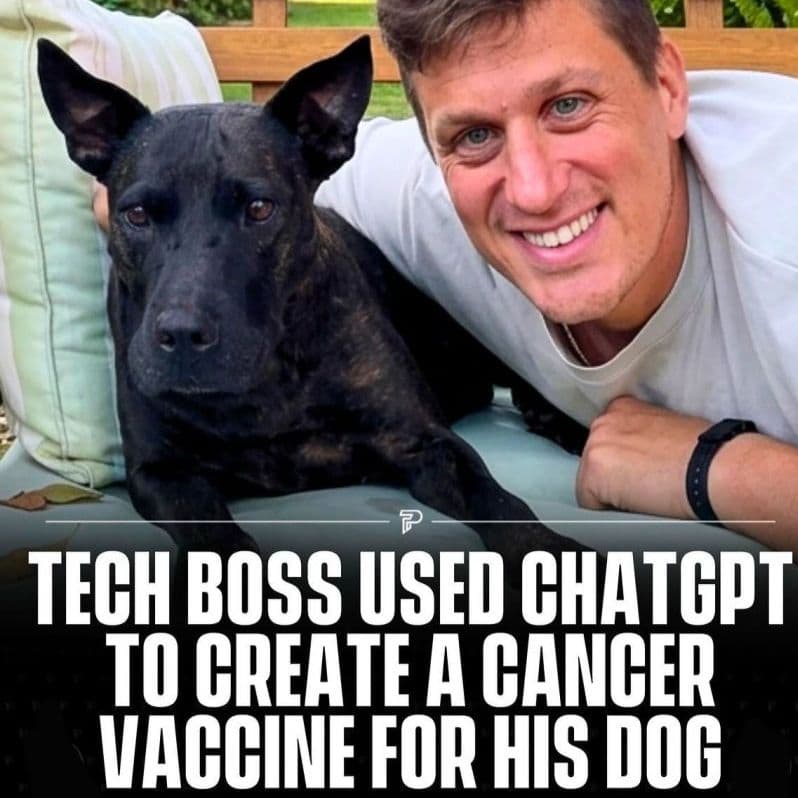
How AI Helped Paul Conyngham Create a Personalized Cancer Vaccine for His Dog Rosie