I have spent the last few years fully immersed in conversations about the future of healthcare in India. My days are filled with discussions about AI-driven diagnostics, smart wearables, cutting-edge digital tools and futuristic solutions that promise to transform patient care. Everything I hear mostly seems to revolve around the same idea that technology will fix everything. I believed that too, until very recently.
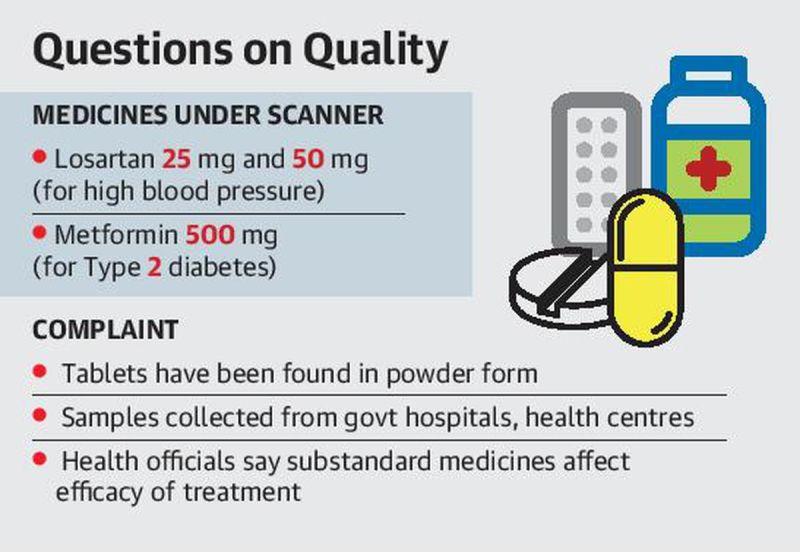
I went looking for a diabetes medicine, something that should be available. But I was told that it had been out of stock for months. At that time, a thought passed through my mind. If essential medicine can disappear, what is happening in the rural clinics that millions of Indians depend on? The answer, as a recent report made painfully clear, is far worse than we imagine. It was reported that nearly 60% of India’s rural health clinics cannot treat high blood pressure. That is what shocked me the most. And almost one-third of Subcentres (105 of them) reported stock-outs of anti-diabetes medication, while 45% had run out of high BP medicine. These medicines are lifelines for patients who require uninterrupted treatment to stay healthy and alive. On one side, we have high-tech pilots, AI-powered wearable devices promising to revolutionize health care management, while on the other side, we have clinics without stethoscopes, sub centres without medicines and health workers without tools.
You cannot treat diabetes with AI if the clinic does not even have the medicine and you cannot digitally transform a system that lacks the basics of physical infrastructure.
Building A Strong Foundation
When I first started out in the healthtech industry, my initial thought was that technology alone could solve all the problems related with health care. A few apps here, AI there and suddenly the system would leap into the future. But as time passed, I came to realize the truth that if we do not fix the foundation, then innovation will never accelerate any further, it will only float on the surface without any flow in the industry. It will be visibly impressive but structure wise it would be meaningless.
And the report that I read made me think of what point is there of advanced tech if the very first point of care in rural sub centres do not even have the tools to diagnose hypertension or diabetes. And it was a reminder that healthcare is not transformed at the surface but it is built from the bottom up. If the local sub-centre fails, the entire chain of care that follows becomes irrelevant.
Also, while urban India is experimenting with the next generation of digital health, its rural side is still waiting for the first generation of dependable care. So there is an urgent need to build a strong foundation.
Technology Should Lift Rural India, Not Bypass It
Technology should not be used to leapfrog over rural India. It should be used to lift it and not bypass primary care. It should strengthen it. It should not reach only just the urban and developed regions but should reach where the need is greatest. For India to truly transform its healthcare system, healthtech must evolve with a different mindset, one that sees rural infrastructure not as a challenge, but as the starting point. Here’s what that could look like:
1. Reliable Medicine Supply: No clinic should run out of life-saving medication for months.
2. Diagnostics for Rural Areas: Portable and durable advanced tools are essential.
3. Empowering the Healthcare Workers: They should be equipped with digital support tools and training modules.
4. Policies That Prioritize Primary Care: Innovations must be paired with accountability, funding and strong infrastructure.
Shifting The Healthtech Narrative
These fundamentals discussed above are not glamorous but they are absolutely necessary and important. And this is precisely why the healthtech conversation needs to shift.
We love to celebrate the big breakthroughs that promise personalized care and they also actually matter. But they cannot be the only narrative. If innovation keeps racing forward while rural healthcare remains stuck in the past, we will end up with a deeply unequal system in our country where healthcare advancement becomes a privilege and not a public good.
I may not need the diabetes medicine but this is the reality of many people in this country. And if innovation is to matter, it must touch the lives of those who need it most. It should begin not with AI or not with wearables and not with any futuristic tools but with ensuring that no rural clinic ever has to say: “We don’t have the medicine.”
What are your thoughts on such a situation?

Why Collaboration Skills Matter More Than Individual Performance in Leadership and Team Building
AI and the Future of Jobs: How AI Changed the Rules of Career Growth

Why This Simple Hiring Test Has Become My Important Interview Tool for Hiring Process