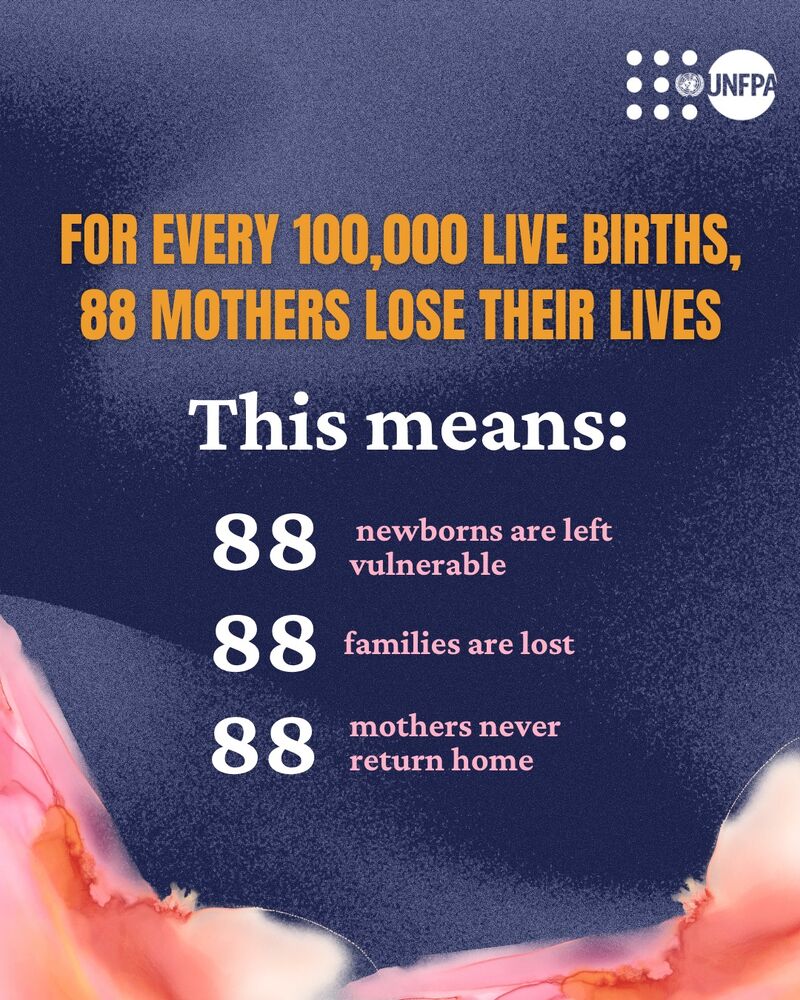
Every pregnancy should end with a healthy mother and a healthy child. Yet in India, this basic expectation remains unmet for thousands of women each year.
Eighty-eight mothers die for every 100,000 live births in India. And many of these deaths are preventable.
Maternal mortality is often seen to be discussed in documents and health reports, but rarely it is addressed as an urgent matter.
Today, a powerful shift is underway. India’s gynaecologists, backed by technology, are attempting to rewrite this narrative. The Federation of Obstetric and Gynaecological Societies of India (FOGSI) has teamed up with the Koita Foundation and artificial intelligence (AI) is being introduced as a life-saving necessity. They are trying to bring in AI-driven digital tools that can actually predict risks during pregnancy. This paves the way for the structural transformation of women’s healthcare in India.
The Silent Crisis: Why Maternal Mortality Persists
India has made significant progress in reducing maternal deaths over the last two decades. Yet, progress has become still after a time.
1. Late Detection of Complications
Many pregnancy-related complications are not seen at first. High blood pressure, abnormal glucose levels or subtle warning signs are often missed during routine visits especially in places where resources are constrained.
2. Overburdened Healthcare Providers
India has some of the world’s most skilled gynaecologists, but they operate within an overstretched system. High patient volumes, limited time per consultation and incomplete medical records all contribute to diagnostic delays.
3. Scattered Medical Data
Pregnant women often visit multiple clinics, laboratories and hospitals. Their health data remains scattered paper prescriptions here, lab reports there making it difficult for doctors to see the full picture.
4. Low Digital Adoption
Most clinical decisions rely on memory, manual records, or incomplete patient histories. These gaps are not due to a lack of medical knowledge, they come from a lack of systemic intelligence. This is exactly where AI enters the scene. Right now, only 20% of gynaecologists in India even use digital practices.
How the AI System Works
- Comprehensive Data Analysis
AI analyses a pregnant woman’s medical history, current symptoms, lab reports, vital signs and lifestyle and demographic risk factors.
- Risk Prediction Models
It identifies patterns that show increased risk for conditions such as Preeclampsia, antepartum and postpartum haemorrhage, gestational diabetes, anaemia and infection-related complications.
- Early Alerts for Doctors
When risk thresholds are crossed, doctors receive real-time alerts, pushing for additional tests, closer monitoring, early referrals and preventive interventions. Most maternal deaths occur due to complications that escalate silently. Instead of asking what went wrong? Doctors can now ask what we can prevent? This predictive approach fits perfectly with the best practices recommended by the World Health Organization.
- Timely Intervention
The most important advantage is that intervention happens before a condition becomes life-threatening. In maternal health, time is everything and here AI buys time and time saves lives.
From 88 to 70: Why This Target Matters
The stated goal to reduce maternal mortality from 88 to 70 deaths per 100,000 births may appear modest. It is not. This reduction would mean thousands of mothers’ lives saved every year. More importantly, it would signal that preventable maternal death is no longer acceptable, data-driven healthcare is becoming mainstream and women’s health is receiving the deserved priority.
Once digital tools prove their effectiveness in maternal care, the effect it brings will extend to rural healthcare access and long-term women’s health monitoring. This is not just about pregnancy it is about lifecycle healthcare for women.
When doctors are empowered with predictive insights, when health systems prioritise early intervention and when technology is used ethically, maternal death becomes an exception rather than an expectation. India stands at an important moment. If this initiative succeeds, it will not only save lives, it will set an example for how emerging technologies can be used responsibly to address health challenges.
If India gets this right, it will not just change women’s healthcare. It will redefine what responsible, humane and intelligent healthcare looks like for the world.


Experience Multispecialty Hospital Care at Your Local Clinic

Behind Every ‘Why’ Lies a Lesson Waiting to Be Learned

Healthcare Without Security? A Risk Too Big to Take