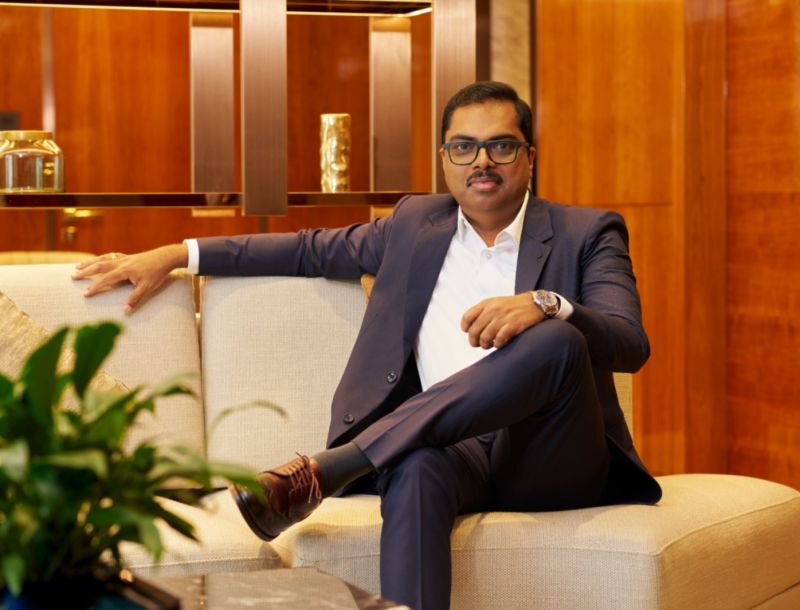
Technical skills can get someone hired. Attention to detail determines whether they become someone you can trust with your business.
Most companies spend a lot of time trying to identify the smartest candidate. They ask technical questions, discuss past projects and evaluate problem-solving skills. All of these matter. But after years of interviewing professionals, I have realized that technical ability is not the biggest reason people fail in senior roles. It is the issue of attention to detail.
It sounds ordinary, but in today's workplace, especially in leadership and technology, attention is one of the most valuable professional skills a person can have.
A Simple Test That Reveals More Than a Difficult One
For most hiring, our HR team manages the interview process. And when we are recruiting for senior or leadership positions, I personally conduct the final interview. Many candidates expect difficult technical questions or complex case studies. Instead, they receive a short-written exercise. Nothing intimidating or that appears difficult. The very first question simply says, "Write your name.” The rest of the questions are equally straightforward and at the end of the questions, I added one instruction that says, "Make sure your name in the first question is written in your regional language."
What happens next is surprisingly consistent. The responses usually fall into two categories.
- The Fast Starter:
This candidate begins writing immediately, answer every question quickly and finish before everyone else. Then they reach the final instruction. Suddenly they realize that the first answer does not follow the requirement. Now they cross out and rewrite. Their paper contains edits that could have been avoided entirely. The mistake was not caused by lack of knowledge. It happened because they acted before understanding the complete context.
- The Thoughtful Reader:
This candidate behaves differently. Before writing anything, they quietly read the entire document. Only after understanding the full picture, they begin writing. When they finish, there are no corrections or confusion. The process is calm and accurate. This small difference tells me far more than many technical interviews ever could.
Why This Matters Beyond the Interview
Some people might say, "It's only a hiring test." But the behaviour it reveals appears every day in professional life.
Consider how many workplace problems begin with someone overlooking a single instruction. A missing semicolon may be easy to fix but missing a business requirement? That can cost weeks of development. The team then has to start over. Deadlines move and budgets increase. Customers may also become frustrated. The issue is not knowledge. It's attention, and attention affects every decision that follows.
As a founder in the healthtech industry, I believe attention to detail carries even greater significance. We are not simply building software, we are building systems that healthcare professionals, hospitals, and patients rely on every day. A small mistake can have consequences that extend far beyond a delayed project. It can disrupt clinical workflows, create compliance challenges, compromise data accuracy or impact the overall quality of care.
Technology can automate many tasks, but thoughtful judgment, careful observation, and disciplined execution remain deeply human strengths. In my experience, these qualities are what separate competent professionals from exceptional ones, and they are the foundation for building products and organizations that people can truly trust.
That is why, in our organization, attention to detail is not viewed as a personality trait, it is a professional responsibility.
What This Test Really Measures
The exercise is not measuring language skills or memory. We are here trying to understand several professional qualities like whether,
- They read instructions completely.
- They think before acting.
- They prioritize understanding over speed.
- They naturally review information.
- They remain patient under pressure.
- They value accuracy as much as efficiency.
These characteristics are difficult to fake. Technical skills can often be taught but habits are much harder to change. Someone who consistently ignores details usually continues doing so. Someone who naturally double-checks their work often carries that habit throughout their career.
That's why great hiring goes beyond qualifications.
A résumé tells you where someone has worked. A conversation tells you what they know. But carefully designed assessments reveal how they think. Their thinking patterns usually predict future performance better than memorized answers.
Building a Culture of Thoughtfulness
There is an interesting psychological principle at work. Many people equate immediate action with productivity. If they start quickly, they feel productive. The experienced professionals understand that preparation is part of the work. They do not confuse movement with progress. The goal for me is to identify professionals like them whose habits reduce unnecessary mistakes before they happen.
While technical expertise can open the door, experience can strengthen your resume, confidence can impress during an interview, I look for attention to detail which earns trust.
For job seekers, this lesson extends far beyond interviews. Before answering a question, understand what is actually being asked. Before sending an email, read it once more. Before submitting an assignment, verify every instruction. Before making assumptions, ask questions. These habits may seem small. But careers are often built or damaged through hundreds of small decisions.
What’s something non-negotiable that you practice while hiring?

Parenting in the Age of AI: Why ChatGPT Doesn’t Replace Real Parenting

Leadership Built Over Time: From ₹500 to Building in HealthTech

Why This Year’s Union Budget Is a Turning Point for Indian Healthcare