What if the idea of natural talent is a myth and everything we admire about them was built and not gifted?
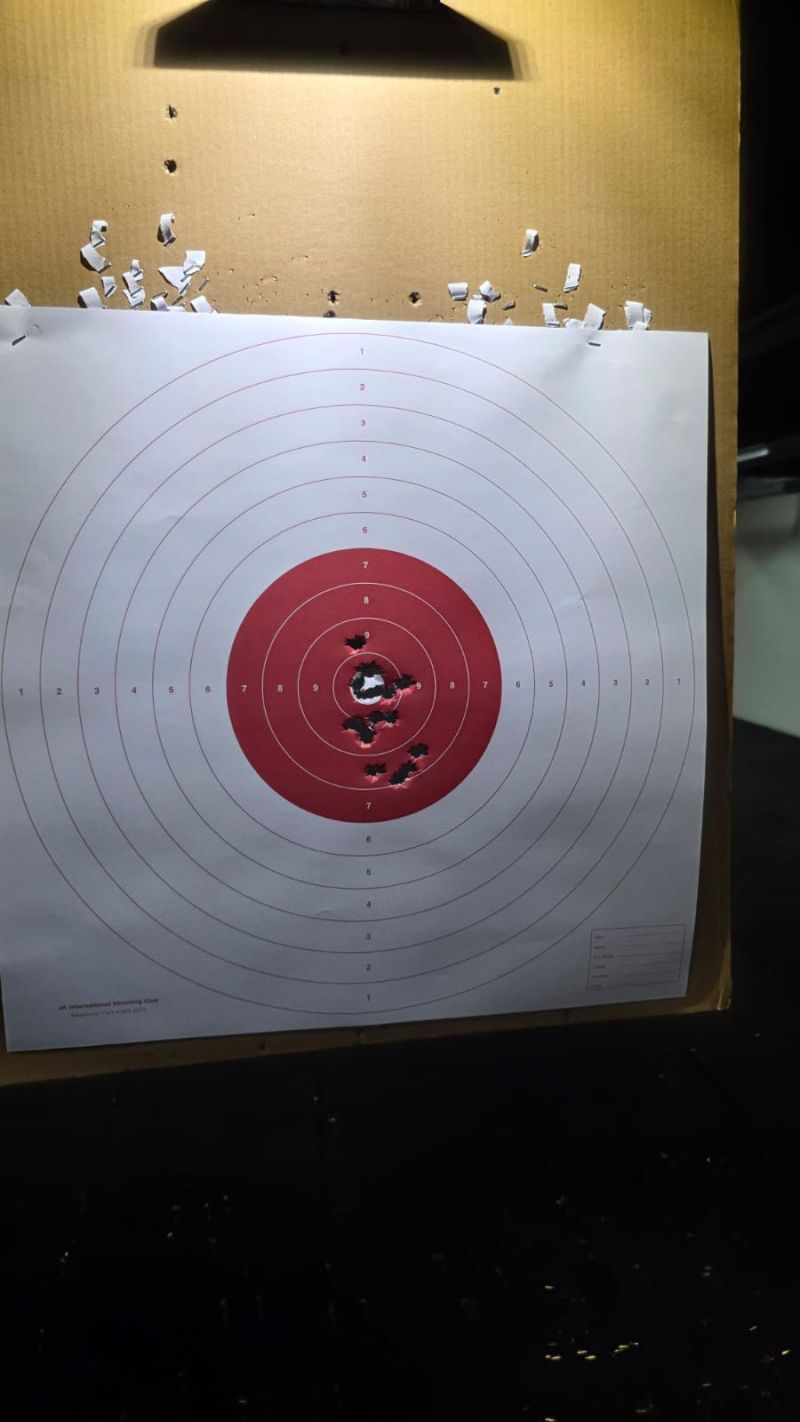
When I was a kid growing up in South India, very few things managed to hold my attention. But there was one fascination that completely got me, toy guns. I loved the feeling of aiming at something and getting it right. There was something deeply satisfying about lining up a target, focusing and hitting it cleanly. It was not about competition or proving anything. It was about precision. But here’s the twist. My real training did not happen with toy guns, it came from gully cricket.
The Real Training Ground: Gully Cricket
In gully cricket, space is limited, the pitch is unpredictable and the conditions are chaotic. I was a bowler. And when you are bowling in gully cricket, you don’t get the luxury of standing still and carefully aiming. You just have a split second to visualize the stump. You lock the target in your mind and then trust your muscle memory. That’s where I learned precision.
At the time, I did not know what I was building. But I was building something powerful. Years later, it started showing up in strange ways, like a weird superpower. Trying to knock a mango off a high branch took only one shot and sending a pebble through a tiny gap across the road felt easy. It was muscle memory. My brain had silently learned to calculate trajectory, force, angle and timing without conscious effort. Thousands of bowling repetitions had wired those patterns into my nervous system.
When we look at elite performers, athletes, musicians, surgeons, entrepreneurs, we tend to see only the final result. What we rarely notice is what came before it, the slow repetitive work that made that moment possible. In simple terms, practice trains your body and mind to respond faster, speed builds confidence and confidence allows performance to feel natural, even under pressure. Over time, these repeated actions become automatic and almost invisible to the person doing them.
Years later, during my trips to Dubai, I still practice shooting. What started as a childhood fascination evolved into a structured sport. But the mindset remains the same: focus, patience and precision.
The difference now is it’s intentional. As a child, I practiced unknowingly. As an adult, I practice deliberately. That shift from unconscious practice to deliberate practice changes everything. Shooting is no longer just about hitting a target. It becomes an exercise in discipline. Each session sharpens something deeper than aim. It sharpens attention and you learn to quiet unnecessary thoughts.
The Three Stages of Mastery
Looking back, I can see a pattern. Becoming a “natural” follows three stages:
1. Consistency Beats Talent
At the beginning, repetition feels boring. You don’t look impressive. You don’t feel special. You are just showing up and doing the same thing again and again. Progress is slow, and nothing seems to change. But consistency compounds. Small improvements add up quietly. This is where most people quit. They mistake slow progress for a lack of talent and walk away too early. The people who stay, repeat and keep going are the ones who eventually look gifted.
2. Practice Becomes Instinct
After enough repetition, something important changes. You stop thinking about every small step and begin to respond automatically. What once required effort and concentration starts to feel natural and your body moves before your mind has time to interfere. With repeated practice, the brain learns to simplify complex actions, it groups them together and turns them into instinct.
3. Instinct Becomes Muscle Memory
Eventually, the skill moves below conscious awareness. You no longer try to perform it, you simply do it. The body takes over and the mind stays quiet. What looks like talent in the moment is really trust built over time- trust in practice, repetition and in a skill that has been earned so deeply that it no longer needs to be controlled.
Application Beyond Sport
As a health tech leader, now I find this principle extending far beyond cricket or shooting. It applies to how we work, how we lead and how we live. The same pattern repeats everywhere. In engineering, you can sense where things might break before they actually do. From the outside, this looks like talent or intelligence. In reality, it is experience training your brain to recognize what it has seen many times before. Entrepreneurship works the same way. When you make enough decisions, right or wrong, you slowly develop better judgment. You start spotting risks earlier. People call this as vision or instinct, but it is really the result of many decisions stacked on top of each other.
Communication also follows this path. Speaking in public feels uncomfortable at first. But after enough attempts, something changes. You learn to read the room. You adjust your words, pace and tone without thinking.
Even life itself trains you this way. When you face enough challenges, resilience stops being a choice and becomes a habit. You don’t panic as easily. What others see as confidence is often just stability built through experience. Across all of it, the pattern is the same. What looks natural is usually practiced.
What’s one skill you have repeated so many times that it feels automatic now?


How AI is Revolutionising Drug Discovery: Faster Treatments, Better Healthcare, and a Brighter Future
Redefining The Role of Leadership: How Trusting My Team Transformed My Business

Banyan: Optimizing Hospital Communication for Improved Patient Safety