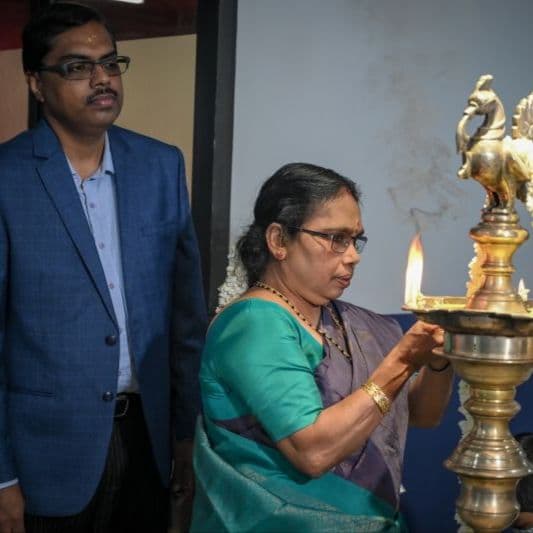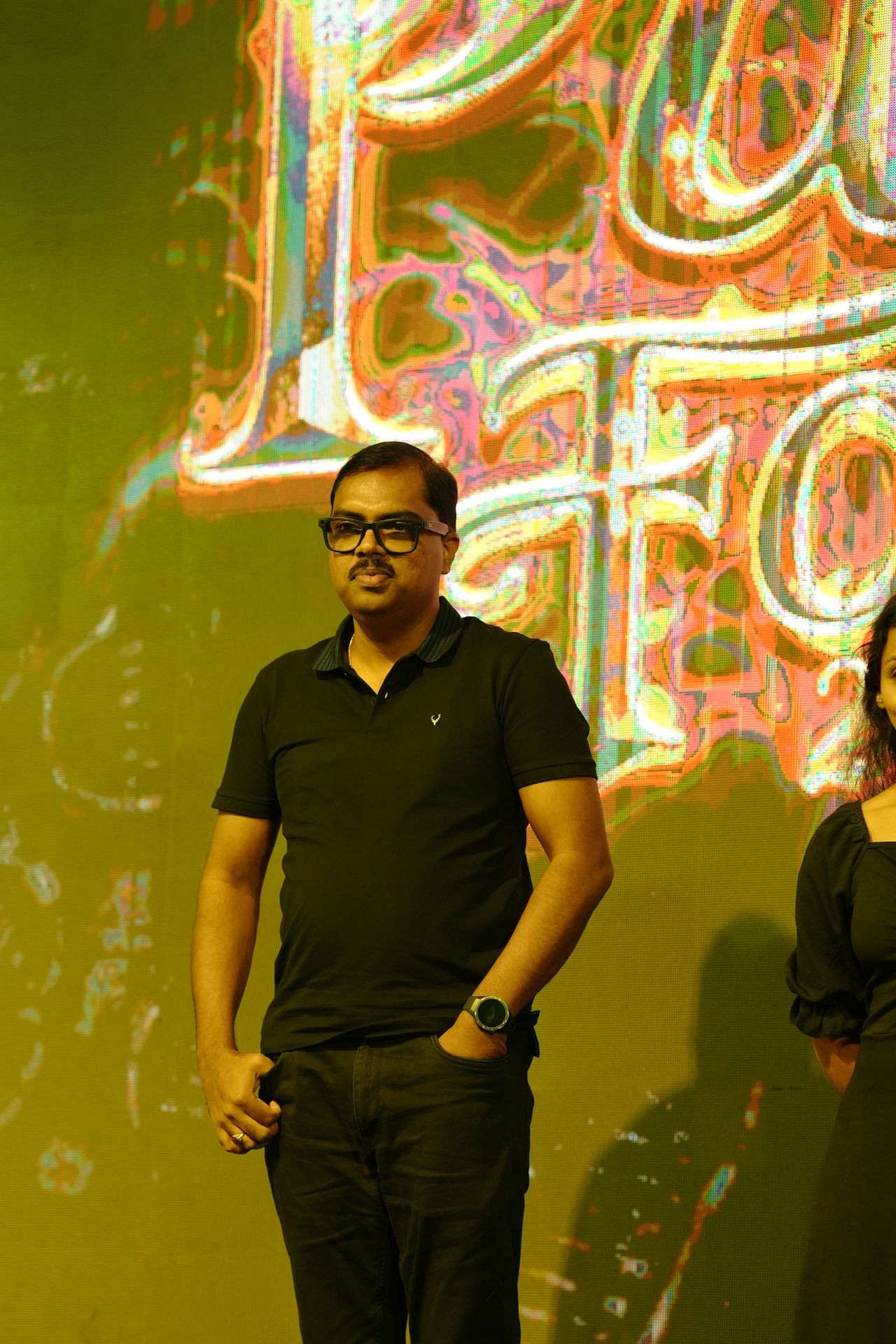
Live events are mostly unpredictable. Even the carefully planned events can suffer from delays, missed cues, technical confusion or simple human errors. Because of this, event organizers usually accept a certain level of chaos as part of the experience. Hosts may forget lines, performances can run late, transitions may sometimes feel awkward and teams may rush backstage trying to fix last-minute issues while someone on stage attempts to fill time. These are some instances we might have seen always. But what if much of this normal chaos is not inevitable?
Our recent annual event Pulse 2025 became an interesting experiment that answered this question. Instead of relying on a traditional host-driven format, we designed the entire six-hour program to run on a digital timeline. The event ran from 3:30 PM to 9:30 PM without a single human anchor and every segment was executed exactly as planned. It also showed us that many operational problems we accept as normal are simply symptoms of poorly designed systems.
The Traditional Event Model with Human Anchors
Most live events rely on human anchors or hosts to guide the program. They introduce performances, announce awards, manage transitions and fill gaps between segments, handling all unexpected delays. This approach feels natural because a human presence makes the event feel lively and interactive, but it carries several problems as well.
- Human Error: Even experienced hosts can forget lines, mispronounce names or skip parts of the program and this can disrupt the flow of an event.
- Timing Drift: If one segment runs longer than expected, the rest of the event will fall behind the schedule.
- Improvised Transitions: When something is not ready backstage, anchors are forced to improvise. They fill time with unscripted commentary or interactions with the audience, leading to awkward or unnecessary delays.
- Last-Minute Fixes: Behind the scenes, teams may be rushing to adjust lighting, prepare performers or fix technical issues while the host tries to buy time on stage. Because these situations happen so frequently, many event organizers assume they are simply part of running live programs.
A New Approach: Designing the Event Like a Film
For Elixr Lab’s Pulse 2025, we decided to rethink the entire structure. As a company operating in health tech that focuses on building precise and reliable systems, we wanted the event itself to reflect the same mindset. So, we treated and designed the event like editing a film. A film editor works with a timeline. Every scene has a precise start time, duration and transition. Music, visual effects and dialogue all sit on different tracks but remain perfectly synchronized. We applied the same principle to our event. We had the start, end and layers in between.
The Digital Timeline Concept
The entire program was built on a digital timeline containing opening sequences, award announcements, dance performances, music segments, DJ sets and visual transitions. Just like film editing, the system allowed us to create multiple layers that worked together like stage lighting, background visuals, sound effects, announcement voiceovers and performance cues. When the clock reached 3:30 PM, the program started and moved smoothly as the system simply followed the timeline.
The result of it exceeded expectations. From 3:30 PM to 9:30 PM, the event flowed exactly according to the designed sequence. Each segment transitioned smoothly into the next. Awards were announced at the exact moment planned, dance performances started without delays, music segments transitioned smoothly into DJ sets, visual elements appeared at the right times and lighting changed automatically to match each segment. Instead of reacting to problems, the event followed a structure that prevented many problems from occurring in the first place.
The Future of Live Events
When processes rely too heavily on human memory, coordination and improvisation, mistakes become almost inevitable. But when systems are designed carefully, they remove unnecessary issues. This does not mean humans become less important. In fact, people remain important for creativity, performance and decision-making. In our annual event, the digital timeline removed the need for someone to constantly manage timing, allowing the team to concentrate on delivering a great experience.
As technology continues to evolve, event production will move towards more structured and system-driven formats. Instead of reacting to issues in real time, teams can design events before they even begin. This does not remove the excitement of live experiences, it only improves them.
By designing the program on a digital timeline, we transformed what is typically a chaotic environment into a structured and reliable experience. This goes far beyond event management. Sometimes the smartest solution is not working harder, it is designing better systems. When processes are built thoughtfully, chaos disappears, precision improves and people are free to focus on what they do best.
Where else do you think we over-rely on humans when systems would do better?

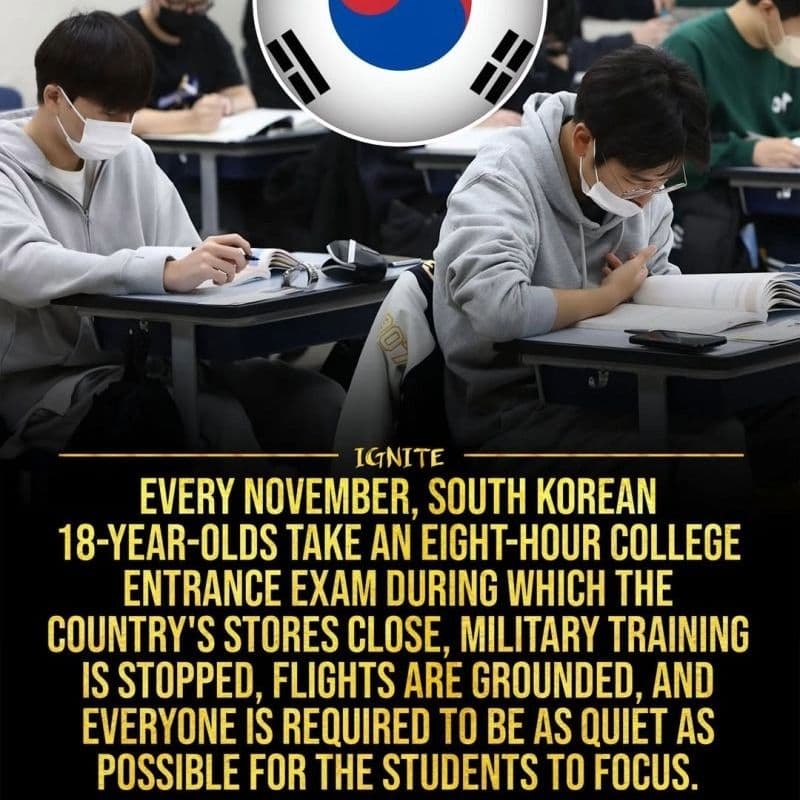
India's NEET Paper Leak Crisis: Why India Needs Preventive Exam Security Measures Like South Korea's CSAT Exam System
How One Small Change Transformed Our Podcast Production Through Human Psychology and Not AI
Why Layoff is the Easy Decision & Building AI-Powered Teams is the Smart Decision