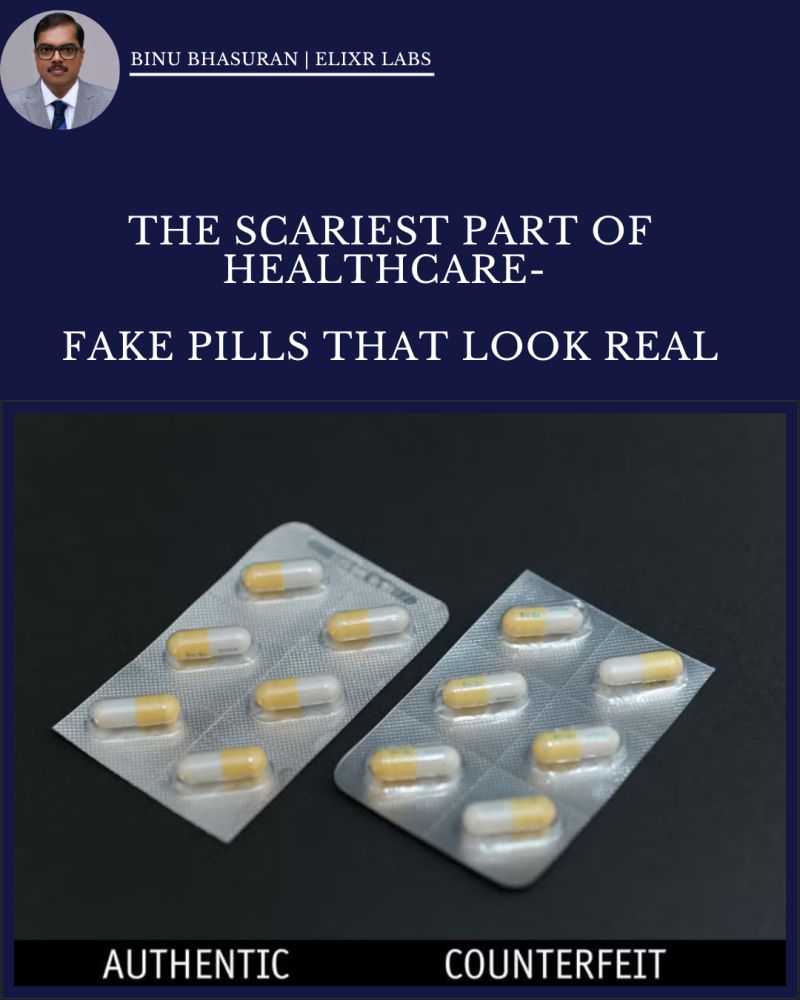
You take your medicine on time. You follow your doctor’s advice. Your reports look fine. And yet, months later, your condition worsens. When this happens, the usual explanations follow to lifestyle, stress, genetics and late diagnosis. It is rarely seen anyone asking the most uncomfortable question of all: What if the medicine itself never worked?
You could be swallowing your medicine every single day and still dying slowly. It is not because the doctor is unqualified or careless, but because the pill does not work. This is the most silent and scariest health scam in India today: the generic medicines that look legitimate, which have passed all the paperwork, but fail inside the human body.
When a Pill Exists Only on Paper
At first glance, these medicines look no different from real drugs. They contain the correct pharmaceutical ingredient, the correct dosage, packaged and labelled according to the regulatory norms and passed all the routine checks. On paper, everything is perfect. Inside the human body, everything fails.
An important factor which determines whether a medicine works is not just what it contains, but how it behaves after it goes inside the body. A pill must dissolve correctly, release the drug at the right speed and allow the body to absorb it into the bloodstream. Many of these drugs do not dissolve properly and do not treat the disease rightly. Dissolution determines how fast the drug releases its active ingredient, whether it reaches therapeutic levels in the blood and whether it works at all.
Two pills can carry the same ingredient and dosage, still produce entirely different outcomes if one dissolves poorly. To the patient, they both will look identical. But to the body, they are not similar. The result will be misleading. The patient believes that they are being treated, the doctor believes treatment is ongoing and the disease continues to progress invisibly.
The Fake Pills Leaves No Traces
This scam does not leave an obvious trace. When a patient suffers a heart attack six months after taking the medication, no one suspects the pill. The blame falls on poor lifestyle, genetic risk, late diagnosis and disease progression. The failed medicine is often never questioned because there is no immediate allergic reaction. The harm is delayed and invisible which makes it really dangerous.
This is not any speculation or exaggeration. It is a documented concern across the world. Over the past decade, many Indian pharmaceutical manufacturers have faced international recalls and regulatory actions. The reasons were:
- Manufacturing lapses
- Poor quality control
- Inconsistent dissolution results
- Manipulated test data
Several commonly used generics, including Atorvastatin and Metoprolol have been recalled in global markets due to these failures. For a country that supplies over 20% of the world’s generic medicines, this is not just a regulatory issue. It is a moral one.
The Ethical Crisis Behind Affordable Medicine
The problem is not generic medicines themselves. High-quality generics save lives by making treatment accessible and reducing healthcare costs. The problem begins when:
- Price becomes the primary advantage
- Manufacturers looks to the lowest possible cost
- Compliance is reduced to paperwork
- Performance inside the human body becomes secondary
India’s pharmaceutical success is built on affordability. But affordability without efficacy is an ethical failure. A cheap drug that does not work will not save money or save lives, instead it causes harm.
So, here the question should not be merely limited to “Is the medicine affordable?” It should go further to ask, “Does the medicine actually work inside the human body?”
Affordability is important. But efficacy is non-negotiable.
Why Patients Rarely Question Their Medicines
Most patients never question their medication because the disease is invisible for a long time. But there is also a psychological barrier: “Why would a government approved medicine fail?” This blind trust is precisely what allows the problem to persist. This trust is understandable, but it can also become exploitable. Doctors, too, are often victims of it. They prescribe approved medicines in good faith. When the results fail, they start to adjust doses, add medications, or blame disease progression and rarely they suspect the pill itself. Healthcare begins with trust, but this trust must be earned and protected. Because when medicine fails quietly, the consequences are bigger. Many patients today choose generics because they are affordable, accessible and recommended.
Have you ever bought the generic medicine instead of the one your doctor prescribed without really knowing if it performs the same inside your body? This is not about fear. It is about awareness.

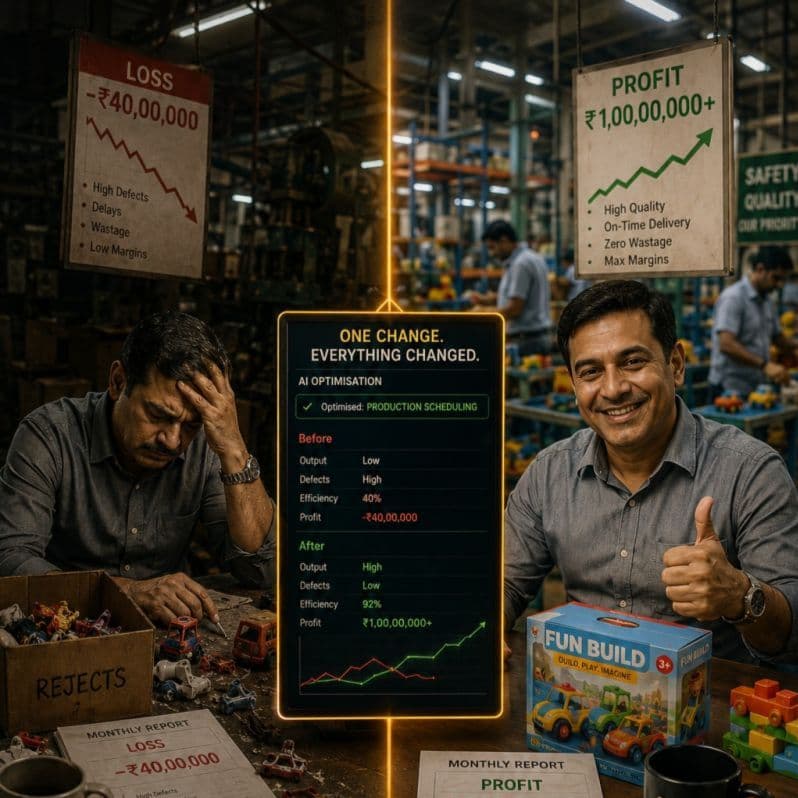
How AI and Predictive Maintenance Turned a Factory’s ₹40 Lakh Monthly Loss into ₹1 Crore in Profit

5 Years of Building Elixr Labs, The HealthTech Company: Lessons, Discipline and the Work Behind Growth
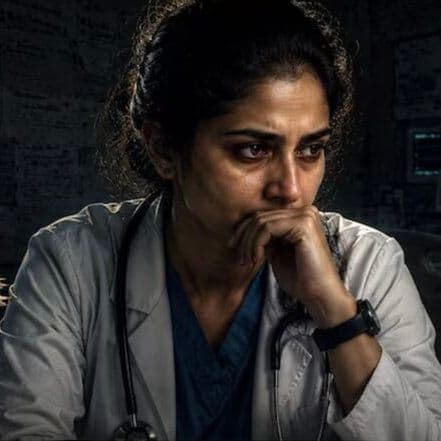
The Burnout Crisis in Healthcare: Why Better Technology and Infrastructure Alone Cannot Fix Healthcare