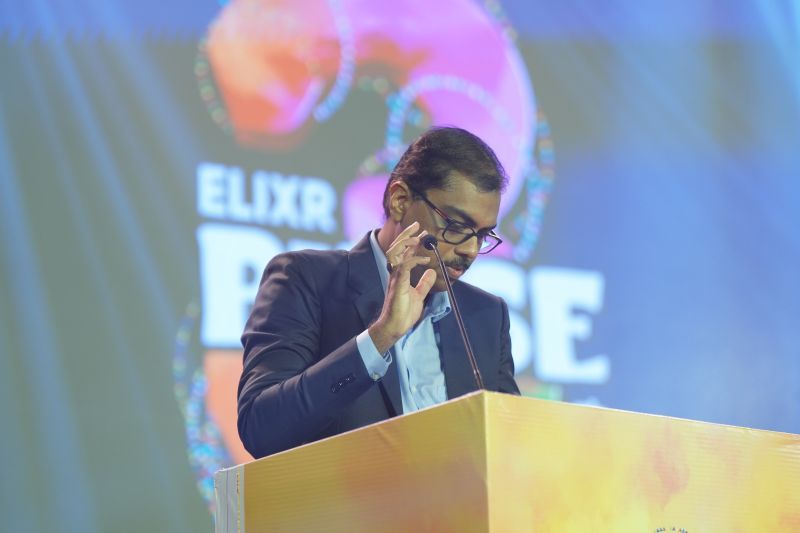
Trust is not built through surveillance. One of the most important leadership lessons I learned in my health tech founder journey is that you cannot build trust by watching people too closely. This sounds simple but it is indeed difficult to practice consistently by not controlling people but trusting them into it. This principle chooses courage over control, and it guides every meaningful leadership decision I believe that all modern organizations must make. The more closely people feel watched, the less boldly they start to act. And when risk-taking disappears, then the growth quietly dies.
The Illusion of Control in Modern Leadership
Micromanagement often comes from fear of failure, fear of losing control, fear of being held accountable for outcomes leaders feel they cannot fully influence. No amount of monitoring can guarantee creativity, and no surveillance culture has ever produced innovation at greater scale.
When employees feel constantly watched, they avoid bold ideas that might fail or may be successful, and they focus on appearing competent rather than becoming competent. Over time, organizations become efficient but fragile, good at executing known processes but incapable of adapting when conditions change.
Most people do not fail because they lack ability. They fail because they are afraid. They start to fear that one mistake could cost them their job, their reputation, their promotion and their mental peace. In fear-driven cultures, people learn quickly that the cost of failure is higher than the rewards and thus they stop trying. They wait for instructions and they protect themselves. This is not laziness. It is a rational behaviour.
Over time, the company trains its people to think small, act cautiously and never challenge the current state. Leaders often misinterpret this as a talent problem. In reality, it is a culture problem.
Control vs. Courage: A Leadership Choice
Every leader eventually faces a fundamental choice: Control or courage. You cannot have both.
- Control says: I do not trust you to decide without me.
- Courage says: I trust you to act responsibly, even if you make mistakes.
And choosing courage does not mean that you are abandoning structure. It means shifting focus from monitoring people to designing strong systems and from tracking activity to evaluating outcomes.
What Happens When Leaders Stop Micromanaging
When leaders loosen control thoughtfully, something remarkable happens. When you stop micromanaging, then you start seeing initiative. When you stop monitoring every move, you start seeing ownership. When you stop punishing honest mistakes, you start seeing innovation. Employees who feel trusted take responsibility for all outcomes, not just tasks, solve problems, experiment and speak up when something is wrong.
Psychological Safety
At the heart of trust-based leadership lies one critical concept of psychological safety.
Psychological safety means people feel safe to:
- Ask questions
- Admit mistakes
- Challenge ideas
- Take calculated risks
And they do it all without fear of humiliation or punishment.
Research across industries consistently shows that high-performing teams are not those with the smartest individuals, but those where people feel safe to speak and experiment.
Why This Matters for India’s Economic Future
India’s aspiration to reach a $15 trillion GDP by 2050 is not just an economic goal, it is a leadership challenge. This scale of growth cannot be powered by a handful of celebrated entrepreneurs like Adani. It requires millions of risk takers inside organizations and professionals willing to question, experiment and build new innovations. If workplaces remain fear-driven and control-heavy, talent will underperform not because it lacks ambition, but because it lacks safety and trust.
A nation’s economic strength is said to be ultimately shaped by the daily decisions made inside its offices, factories, startups and institutions. The cultures that reward obedience over initiative may achieve short-term stability, but they cannot sustain long-term innovation.
But that would not happen until we build workplaces where people are allowed to try, fail, and try again without fear. To build the future, India needs leaders who replace fear with trust. When leaders choose control, they may feel powerful, but they weaken the organization. When leaders choose courage, they may feel uncomfortable, but they build something enduring. As a health tech founder, this is one of the leadership mottos I follow. So, what’s a leadership motto you consistently follow?

The Accent Barrier: An Unexpected Wall I Had to Break Through

Finally, Someone is Listening: IdentifyHer’s Peri is Transforming the Silence Around Perimenopause

How Health ATMs Are Improving Diagnostic Access in Mizoram