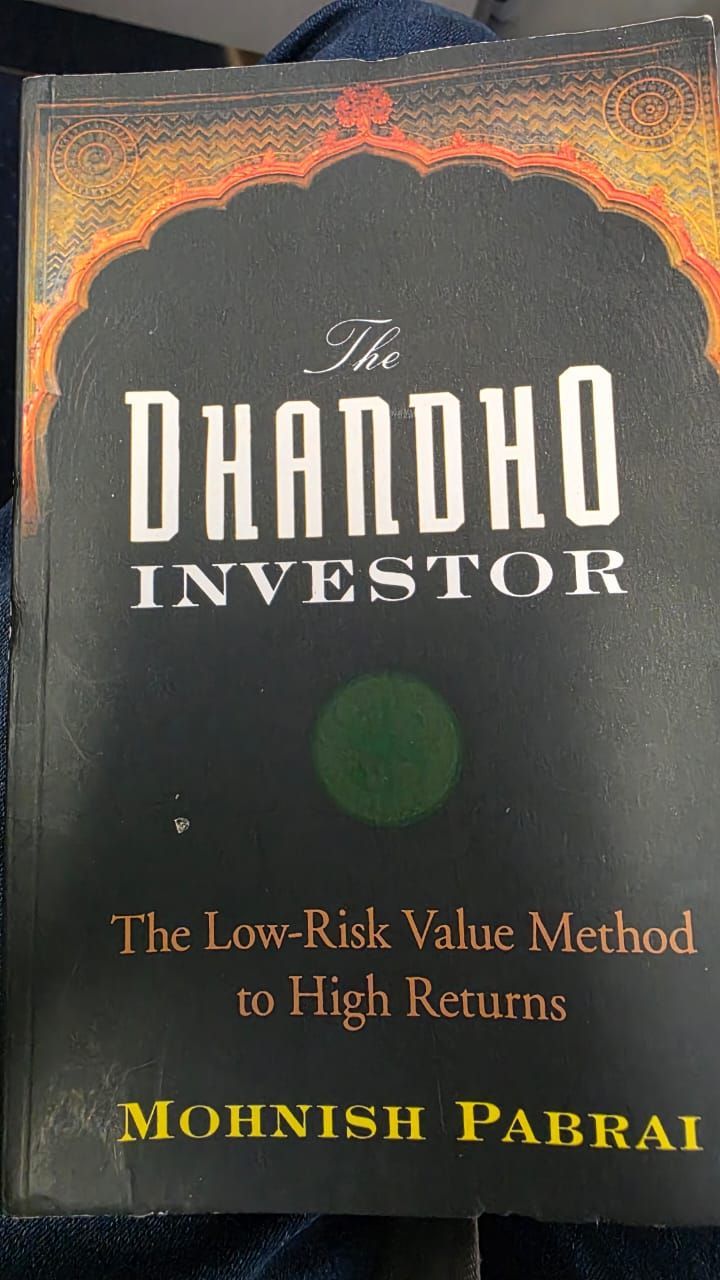
Every day, entrepreneurs and investors are going through market trends, viral startups and endless advice. But in the middle of all this, how you think about risk is something very important. This is why The Dhandho Investor by Mohnish Pabrai continues to stand out as a great guide. I keep coming back to this book as its message is not wrapped in complexity or jargon, it is just brutally simple. Every time I revisit this book, I find myself drawn back to its core ideas, which offer lessons not only for investors but for any entrepreneur going through uncertainty.
Let’s break these ideas down, which has stayed with me, in a way that is both simple and deeply useful.
Heads I Win, Tails I Don’t Lose Much
This phrase is more than a catchy line, it is a strategic approach to decision-making. It forces entrepreneurs and investors to ask a critical question before making any decision: What is the worst-case scenario, and can I survive it? Many people evaluate opportunities solely by their upside potential. How much could I gain? What’s the big win? While ambition is important, ignoring the downside is a recipe for disaster. Smart entrepreneurs and investors focus first on limiting losses.
If a single decision has the potential to wipe you out financially, professionally or emotionally, then it is not a good decision no matter how attractive the upside appears. Good entrepreneurs don’t take blind risks. They take smart risks. For example:
- Investing all your money in one idea equals high risk
- Testing a small version of your idea first equals controlled risk
So, if you win then you win big and if you lose, you lose only small.
Clarity Over Complexity
People often assume that complicated strategies or business models are smarter and more sophisticated. In reality, complexity hides problems while simplicity reveals truth.
If you cannot explain your business idea in simple terms, chances are that you do not fully understand it yourself. A great entrepreneur can describe their venture in a few sentences. They can tell the problem, the solution and the value clearly without resorting to jargon. Thus, simplicity or clarity is also a tool for decision-making. When businesses are overly complex, it becomes difficult to identify weaknesses or potential risks.
Moats Matter More Than Moments
Think of moat like a castle. The stronger the moat, the harder it is for others to attack. It is the structural advantage that protects your business over time. Moats come in various forms such as strong brand identity, cost advantages, network effects, customer loyalty and operational efficiency.
Many businesses seem to grow fast but collapse quickly because they lack protection. While a viral moment or trend may bring attention and temporary success, it is the moat that brings long-term success. These are not built overnight. They require consistency and discipline.
The Role of Mistakes in Smart Risk-Taking
Mistakes are inevitable. No entrepreneur or investor makes perfect decisions every time. The real issue is not the mistakes themselves, it is failing to learn from them.
The first mistake is a learning opportunity, but if the same mistake is repeated, then it is carelessness. The key is to extract the lesson from the mistake and use it into future decisions. For example, investing in a startup that fails due to lack of market research is painful, but it can teach you the importance of looking after assumptions. This requires honesty, reflection and a willingness to challenge one’s own assumptions. One should remember that losses hurt but repeating the avoidable mistakes hurts more.
Why Chasing the Next Big Thing Is a Trap
It is very tempting to follow what everyone else is doing. Whether it is a new technology, or a viral business model, the temptation to jump in is strong. But trend-chasing often leads to poor decision-making. When you chase trends, you are reacting to it by simply following the crowd and not thinking critically. The message is simple, maximizing return while minimizing risk is not achieved through one big win. It is the result of consistent, disciplined decision-making over time.
We know that every entrepreneur’s journey is filled with unknowns, and not all uncertainties are risky. A decision is risky only if it exposes you to significant downside without adequate protection. Launching a new product after thorough testing involves uncertainty but they have only limited risks but investing all capital into an unproven idea involves both uncertainty and high risk.
For entrepreneurs, success is not about avoiding risk in total. It is about understanding it, managing it and using it to your advantage.
What’s a lesson about risk that you have learned?

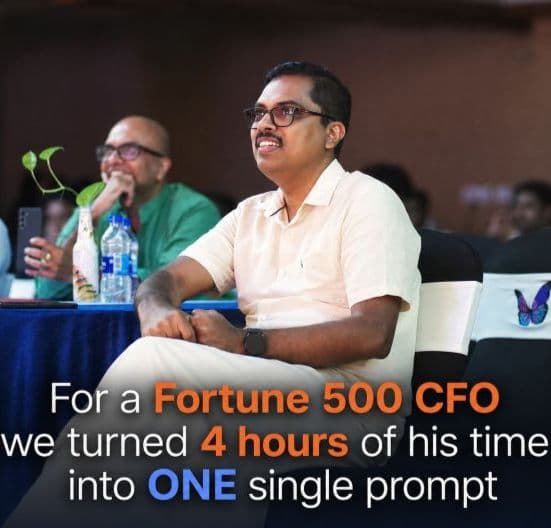
How Agentic Program Management Platforms and AI Workers Are Transforming Decision-Making for CFOs and Senior Business Leaders
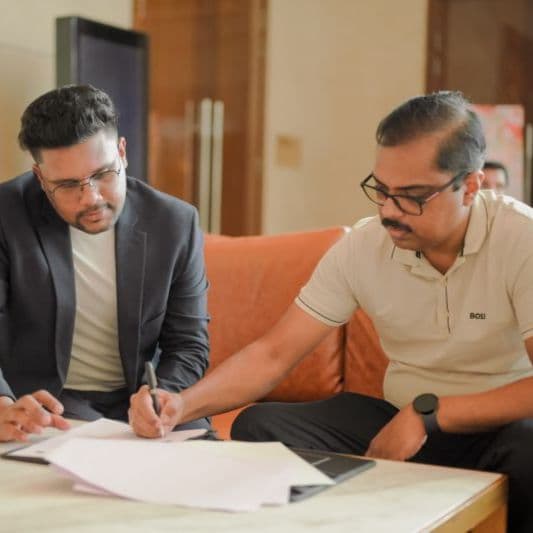
The Reality of Startup Success: Lessons on Leadership, Growth and the Search for Personal Meaning as a Healthtech Founder

How Our AI Meeting Agent Helps Teams Connect Meetings, Decisions and Execution in One Smart Workflow