
There is a particular kind of uncertainty that nobody prepares you for as a founder. It does not always arrive when the company is struggling. Sometimes, it arrives when everything seems to be working. From the outside, there is very little to complain about, and still, something feels strangely incomplete. I know because I experienced it myself.
Two years into building Elixr Labs, the healthtech company, the team had doubled and a deal we had been chasing for eight months was finally closed. I went home that evening, sat at my desk and did nothing for twenty minutes. I was performing a version of myself that had gotten really good at looking like progress.
Looking back, I think I have become a very functional version of myself. The calendar was full, meetings were scheduled, feedback was positive and the company was growing. This made it harder to admit that something inside me felt off. Because when everything looks successful from the outside, questioning it can feel almost ungrateful.
Three Things That Became Clearer to Me
There were a few truths I could see more clearly once I stopped trying to immediately solve the feeling.
- Busy Felt Safer Than Honest
One of the things I learned during that period was that being busy can be effective at protecting you from yourself. When there is always another meeting, another deadline, another customer conversation or another problem to solve, there is very little space for reflection. You stay busy and tell yourself that this is what building a company looks like. But there is a difference between being busy because the work genuinely requires you and being busy because constant activity allows you to avoid asking questions.
- Achievements Were Easier Than Reflection
Achievements come with evidence. You can point to the number. Reflection does not work that way. You cannot easily prove that you have made progress simply because you have understood yourself better. But that does not make reflection less valuable. If anything, it makes it more important. A business can only move in a meaningful direction when the people making its decisions understand why they are moving in that direction. I have come to realise that reflection is not separate from business progress. It influences the quality of the decisions that create business progress. A founder who understands what they are optimising for can make very different decisions from a founder who is simply chasing the next visible milestone.
- The Disconnect Grew Every Time I Ignored It
For founders, the disconnect can be particularly dangerous because the company can continue growing while the founder becomes increasingly disconnected from why they are doing the work. From the outside, everything may look better than ever. Internally, the relationship with the work can be changing. That is why I now believe that founder reflection is a part of responsible leadership. The things we avoid do not disappear, they become quieter and deeper questions.
What I Would Tell My Earlier Self
I would not tell myself to stop being ambitious. Building something meaningful requires commitment. There will always be demanding phases. There will always be periods when the business needs more from you. The lesson is not to avoid those periods. The lesson is to recognise when they become your permanent definition of success. But I would tell myself not to confuse movement with direction. You can be moving incredibly fast and still need to ask where you are going.
As founders, it is easy to treat the company as the centre around which everything else revolves. When you start something from scratch, the boundaries become blurry. Your identity becomes connected to the company. Its problems become your problems. Its successes and failures feel personal. And because there is always another opportunity, you can keep telling yourself that you will create balance later. Eventually, you have to recognise that the company is not the entirety of your life. It is something you are building within your life. That distinction changed the way I think about entrepreneurship. It does not make the company less important. If anything, it makes the work more intentional. When the business is only one part of a larger life, you can start asking better questions about what you want that business to represent.
I still believe that meaningful companies require extraordinary levels of commitment, especially in their early stages. But I also believe founders need to occasionally step outside the machine they are building and ask whether they are still present inside it. Because success can become its own kind of distraction. You can become so good at making the company work that you stop asking whether the way you are living while making it work is sustainable, meaningful or even right for you.

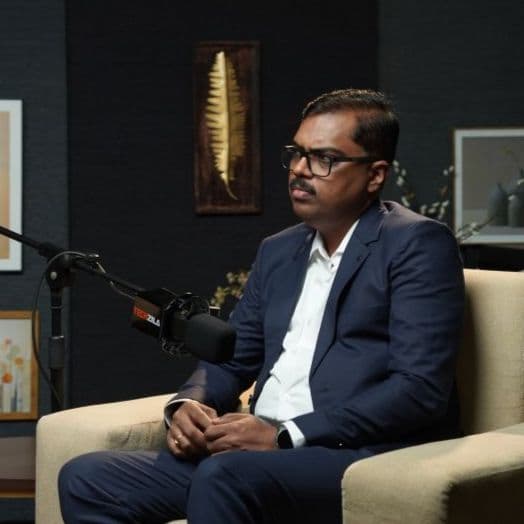
How Our Podcast Techzila is Shaping Meaningful Tech Conversations

How Companion Apps Improve Results for GLP-1 Medications in Healthcare
Why IBM Watson Health Failed in AI-Powered Cancer Treatment