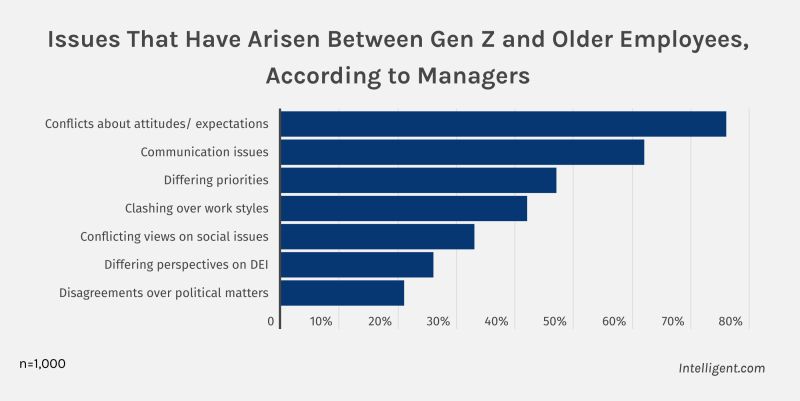
Most of us are unprepared for Gen Z. Most founders are building tomorrow’s products with yesterday’s leadership mindset and that gap is becoming the biggest blind spot in modern companies.
A recent Deloitte survey showed that 94% of Indian Gen Z professionals value on‑the‑job learning over formal education, yet only 44% believe their managers actively support that learning. This is not just statistics, it’s a signal where Gen Z is telling us clearly about what they need. The real question is whether founders are listening.
The Misunderstood Generation
Gen Z is often unfairly reduced to stereotypes like impatient, overly sensitive and addicted to social media. Deep down we could find that the stereotypes are not right. They don’t reject authority, they reject invisibility. What Gen Z wants is not complicated. They need real learning and not lecturing, growth and not just goals, purpose and not just pay checks.
In fast‑growing startups especially, leadership often becomes distant. Founders assume that if the company is growing then the culture will take care of itself and that assumption is wrong.
Traditional leadership relied mainly on hierarchy and Gen Z operates differently from it. They grew up learning from the internet, building skills outside their classrooms and thus, they are said to be collaborators by instinct.
When leadership is purely directive like do this, finish that, meet this deadline; then it creates disengagement and not discipline. Gen Z wants context, wants feedback and not mere lectures. This is where many founders struggle as teaching takes time and showing up takes effort.
Founder Visibility Is No Longer Optional
One of the biggest shifts in modern leadership is that your team no longer experiences you only inside the office. They see how you think, speak and act online. Whether you like it or not, your digital presence shapes your credibility. For Gen Z, a founder who never communicates beyond formal announcements feels distant to them while a founder who shares their journey wins, failures and lessons feels human.
It is interesting to see that founder‑led businesses are thriving today not because founders are influencers, but because they are visible learners. They show curiosity to learn more and reflect that leadership is not perfection, it is progress.
Many founders still see social media as a branding exercise or a distraction from the real work. That mindset is outdated now and today, social media is seen as a leadership tool. When founders share why they started the company, what they are learning as leaders and how they deal with failures, then they create a trust and bond with their audience.
Why We Built Techzila
This growing leadership gap is exactly why our podcast Techzila was built. We saw hardworking founders with strong visions but only had limited visibility. We realised something crucial, that the great leadership stories were going untold. And we wanted to bring it forward. Techzila help founders to:
- Tell their story with clarity and confidence
- Showcase themselves beyond their work performance
- Be seen not just as business leaders but as real people with a mission
For Gen Z, this visibility changes everything. It turns leadership from a distant concept into a relatable journey. It shows them who they are learning from and why it is worth staying. That’s why my biggest recommendation is to tell your story and share your purpose. Let Gen Z see that you are not perfect, but you are driven by purpose. And nothing motivates the younger generation more than someone who is real and focused.
The Cost of Not Shifting
Some founders fear that adapting to Gen Z means lowering standards or losing authority. Adaptive leadership requires more self‑awareness and not any less as they demand clarity, communication and consistency.
The strongest leaders today are those who evolve publicly. They have listened actively and engaged openly. They understand that leadership is no longer about control, it’s about connection.
Founders who refuse to adapt may still survive but they would not lead the future. They will find themselves managing disengaged teams, struggling and constantly rehiring without understanding why people leave. Meanwhile, founders who shift now will build companies that Gen Z chooses to grow with.
If founders do not shift now, then they will be left managing yesterday’s company in tomorrow’s world. So, here’s the question that is worth reflecting on:What’s one change you have made to lead differently for Gen Z? Because the leaders who answer that honestly and act on it will define the next decade of business.

Why Discipline Starts at Home, And Why It Shapes Your Work Life Too

Formula 1 Thinking for Founders: Speed, Strategy & Grit

Why Founders Struggle to Celebrate Achievements