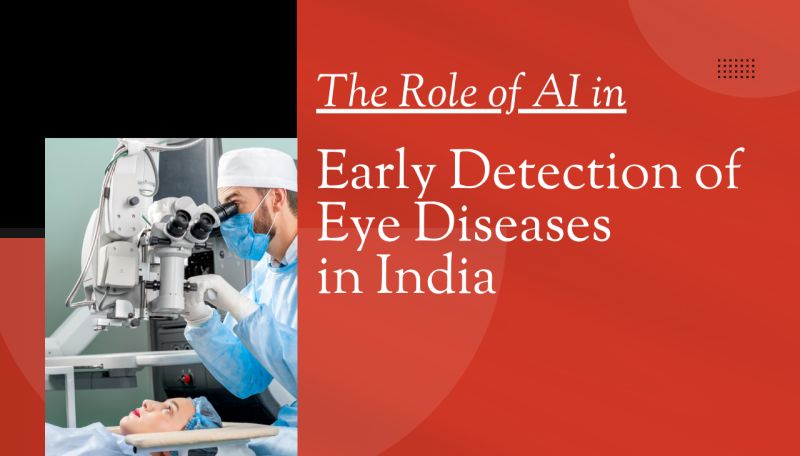
When the world talks about artificial intelligence in healthcare, the conversation usually goes towards robotic-assisted surgeries, AI models detecting early cancers, precision medicine and futuristic hospital systems. These innovations are undeniably impressive and they have shown what is possible when technology meets medicine at its most advanced level.
But India’s healthtech AI story is different. In India, we are solving a separate kind of problem. The kind that affects millions every single day, like diabetic retinopathy, one of the leading causes of preventable blindness and AI is being used to save eyesight. Diseases like diabetic retinopathy, tuberculosis, cataracts, anaemia and maternal health complications may not dominate global headlines but they quietly define the nation’s health outcomes. They are everyday realities which are often preventable and treatable yet continue to cause immense suffering because they are detected too late or remain inaccessible to large sections of the population.
AI and Diabetic Retinopathy
One of the most powerful examples of India’s AI-first healthcare impact lies in the fight against preventable blindness. Diabetic retinopathy is among the leading causes of vision loss in India. With an increase in the diabetic cases, millions are at risk without knowing it. The condition progresses silently in its early stages and by the time the symptoms appear, irreversible damage may already be done. Thus, early detection is critical. Traditional screening methods depend on specialists, advanced equipment and patient travel concerns. These factors make timely diagnosis inaccessible for many and AI has changed it.
Using machine learning-powered retinal imaging systems, healthcare workers in small clinics can now screen patients within minutes and these systems analyze retinal photographs and detect early signs of retinopathy often before symptoms appear.
- Patients no longer need to travel hundreds of kilometres for specialist screening
- Early detection prevents the vision loss
- Doctors can prioritize high-risk cases more efficiently
- Screening becomes affordable
Predictive Analytics for Tuberculosis
While diabetic retinopathy represents the power of AI in non-communicable disease screening, tuberculosis highlights its role in infectious disease control. AI-driven predictive analytics is now emerging as a critical tool in tackling this challenge.
- Automated detection
- Identify high-risk populations
- Differential diagnosis
- Treatment outcome prediction
AI in Rural Clinics
Rural India continues to face structural challenges in healthcare delivery. A single doctor may serve thousands of patients across multiple villages. Specialist visits are infrequent, diagnostic infrastructure is limited and patients often delay seeking care due to distance, cost or lack of awareness. In such settings, early detection and timely intervention become extremely difficult.
One of India’s most remarkable AI applications is happening far from advanced hospitals inside rural clinics, primary health centres and mobile medical units. Machine learning models are being used to screen patients for eye diseases and to standardize care quality across regions. In areas where a single doctor may serve thousands and may be unavailable at times, AI acts as a silent second opinion which is available 24/7, consistent and unbiased. For nurses, technicians and community health workers, this support is very much beneficial. With limited training in specialised diagnostics, they can rely on AI-powered tools to guide next steps on healthcare delivery, whether that means reassurance, monitoring follow-up or urgent referral to higher hospitals.
India vs the Global AI Healthcare Narrative
Globally, AI in healthcare provides systems with high doctor-to-patient ratios and advanced hospital infrastructure. India operates differently. Here, innovation must be:
- Affordable - scalable to millions, not thousands
- Accessible - usable in low-resource settings
- Resilient - capable of functioning within limitations
Innovation does not have to choose between being futuristic and being practical. In fact, the most impactful breakthroughs are those that successfully balance both. Instead of “What is the most advanced technology we can build?”, it asks “What problem needs solving and how can technology solve it sustainably?”
India’s healthtech AI story proves that the most advanced technologies can and should serve the most fundamental human needs. While the world builds AI for rare conditions and healthcare systems for the elite group of people, India is building AI for ground reality.
By focusing on affordability, accessibility and scalability, Indian healthtech innovators are redefining what meaningful AI innovation looks like.

What Happens When a Live Event Runs Without a Host: Designing Events on a Digital Timeline
How Tech Startups Fail: The Common Mistakes Founders Must Avoid

What 2025 Taught Me About Leadership and How Our Team Is Changing in 2026