
We are a nation that proudly speaks the language of progress. We take pride in being the land of the highest literacy rates, best minds, richest culture and endless talk about empowerment. But our progress often comes with conditions. Our conversations are filled with words like empowerment, equality and progress. But beneath this narrative of modernity lies the quiet truth. We are progressive until progress begins to question tradition, we are modern until modernity disrupts social comfort and we celebrate ambition until it refuses to ask for permission.
Much of the progress we claim is performative. It is carefully made to look acceptable and familiar. This contradiction is not an abstract one. It lives in our homes, our offices, our weddings, our boardrooms, neighbourhood conversations and our WhatsApp groups, and it becomes most visible in how we treat ambition especially when ambition belongs to women.
As a society, we have learned to normalise contradiction. We claim that change is happening, while discouraging it from behind. They are normalised through phrases like:
- This is just how things are.
- You cannot change society overnight.
- Why create unnecessary trouble?
These may sound harmless and even practical. Over time, this will become tools for restrictions.
The Applause That Comes with Conditions
India loves success stories. We celebrate them loudly especially when they make us look progressive. We celebrate when a woman becomes a CEO, an IAS officer, a scientist or starts her own company. These achievements make headlines, shared widely and discussed proudly. They become inspirational reels that you see online. They are used as proof that India is changing.
But these applause comes with conditions. There will be invisible scrutiny that accompanies the journey. A woman who rises quickly will be labelled as too ambitious, a woman who speaks firmly will be called arrogant, bold or too much, and a woman who prioritises her career is asked when she plans to settle down. Success is applauded only when it comes without disturbing social comfort along the way. This selective celebration reveals that we are simply expected to operate within invisible boundaries.
Ambition With Social Approval
Here in India, ambition does not always exist in isolation. It is tied closely to family expectations, societal rules and community validation. It subtly asks for permission. When ambition needs permission, then innovation slows down.
India prides itself on being a nation of thinkers. We read widely. We debate fiercely. We analyse literature, politics, economics and philosophy with passion. But there is one subject we are reluctant to analyse honestly: ourselves.
The double standard is deeply engraved in everyone. Ambition in men is seen as responsibility while it is seen as rebellion in women. This double standard exists across every sector of the society. Women are encouraged to,
- Be confident but not confronting.
- Be successful but not intimidating.
- Be independent but not untraditional.
Even in health and well-being, autonomy is conditional. Women are expected to prioritise family expectations over personal well-being. Mental health struggles are minimised to maintain their social image. Preventive care is postponed until it becomes unavoidable. Health decisions, which is one of the most personal choices an individual can make are frequently shaped by external approval.
Towards Permission-Free Ambition
This brings us to a question we must ask ourselves: Can a country truly call itself progressive if ambition still needs permission?
Progress will not come from declarations alone. It will come when:
- Success is celebrated without moral policing.
- Women are trusted with autonomy and not on conditions.
- Questioning tradition is seen as evolution and not rebellion.
- Community pride includes individual freedom.
We critique systems abroad while excusing all the inequities at home. We celebrate global movements while resisting local changes. We speak fluently about empowerment in theory, but struggle with it in practice. True progress requires the willingness to question not just policies, but habits, privileges and assumptions which are inherited. As a health tech founder, I have learned that systems do not change simply because better tools exist. They change only when mindsets are willing to evolve. Technology can accelerate progress, but culture decides how, where and for whom that technology is actually used. Culture determines its direction.
India does not lack ambition. It lacks permission-free ambition, the freedom to grow without constantly asking for social approval. And until we learn to celebrate growth without any discomfort, our progress will remain partially impressive on paper and hesitant in practice. The future we aspire to build will not be shaped only by how fast we innovate or how advanced our technologies become. It will be shaped by how much we are willingly to let go of the need for validation and ready to trust individuals with autonomy. Only then progress can truly belong to everyone.


The Quiet Power of Letting Go: A Lesson from Hotmail’s Co-Founder
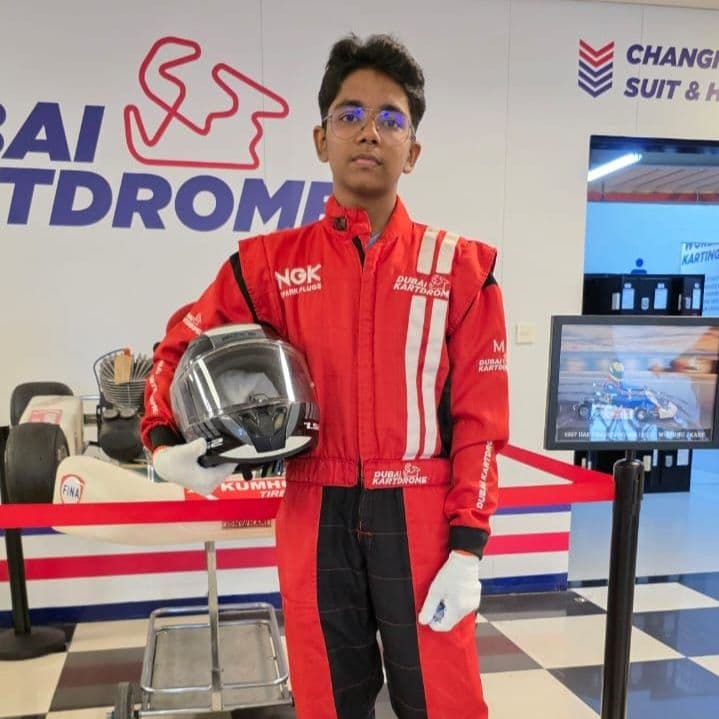
Building a Culture of Focus, Respect and Discipline: From Race Tracks to Daily Life

Confession: Building in Healthtech is Hard and That’s Exactly Why it Matters