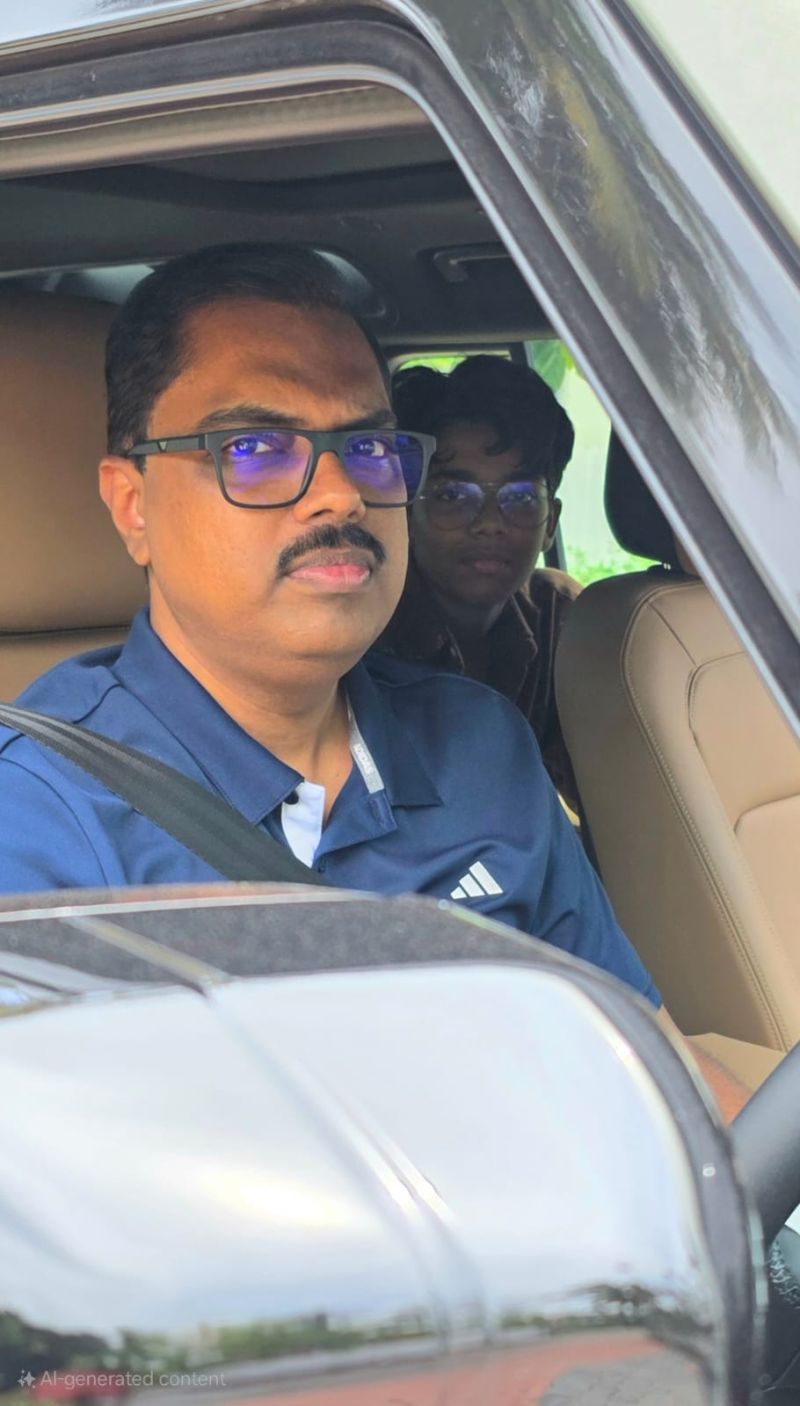
My elder son is seventeen now. Yet, whenever we get into the car, he automatically heads for the back seat. Not because I told him to or not because it is a rule, but simply because it is what he has grown up doing. I never enforced it. It just became a habit over the years. And there is this thing that I noticed long before I became a parent myself. In many families, the front seat is a milestone. Kids see it as an unspoken badge of maturity. Sitting in the front is not just about comfort or view, it is a quiet declaration that the child has “grown up.” And why do so many families associate the front seat with growing up? A major part of it is symbolic as the front seat means responsibility and control.
The seat beside the driver is like a position of trust. Parents often offer it as a form of some recognition and you might have heard them say, “You are old enough now to sit in front.” It is a simple gesture that means I see you as a mature person.
But here is the uncomfortable truth: what feels normal is not always safe.
The Illusion of Safety
Cars today are filled with safety features like airbags, sensors, cameras and even automatic braking. We assume that these features make every seat safe. But that assumption can be a dangerously misleading one, especially when it comes to children. Airbags often seen as a lifesaving innovation are designed for the adult bodies. They deploy at explosive speeds and while that speed protects an adult in a crash, it can cause severe harm to a smaller, lighter body. The impact of an airbag can break a child’s neck, cause skull fractures or even lead to brain damage.
The National Highway Traffic Safety Administration in the United States warns that children under 13 years old should always ride in the back seat. The reason is simple. Even with seatbelts and airbags, a crash does not favour the children sitting in the front.
When Familiar Habits Turn Risky
If we think about it, habits shape the way we perceive safety. Many of us grew up in a time when seatbelts were optional, helmets were rare and baby car seats were considered a luxury. The culture of thinking that when they travel somewhere nearby, even if they do not take safety measures it will be fine as it is a short drive, still lingers among us and in many parts of the world.
But statistics gives us a different story. Road accidents remain a leading cause of death for children and young adults worldwide. According to the World Health Organization (WHO) around millions of people die each year in road traffic crashes. Among these, a significant number are children and teenagers who were seated in unsafe positions in the cars.
In countries like the United States, these safety standards are not just any mere recommendations. They are law and failing to use appropriate safety measures can lead to fines and license suspensions.
Meanwhile, in many developing countries, including parts of Asia, the law enforcement is weak, and cultural attitudes toward car safety are casual. Child seats are often seen as unnecessary expenses or Western habits. And just like that the front seat riding became a harmless one. This attitude should be changed and it should begin with our family.
It is easy to dismiss road safety as something external like it is the government’s job or the traffic police’s job. But when we step into a car with our children, the responsibility actually shifts to us. We cannot control other drivers, road conditions or the events that happen unpredicted in the road. But we can control where our children sit, whether they are seat belted and how seriously we treat these habits.
The Ripple Effect of Small Choices
When my son automatically goes to the back seat, I see it not as fear but as awareness. It is his quiet act of understanding that safety is not about mistrust but about respect for risk. When we make better decisions as parents, we model those decisions for our children. And in turn, they grow up to make them instinctively not because they are told to, but because it feels right. This is how cultural shifts begin- not through laws alone, but through lived examples.
Change starts with awareness and awareness starts with us.
Have you looked at these things consciously?

Your Brain Isn’t Built for Greatness. Here’s How to Work Around It!

How MVP Culture Undermines Great Products
Sometimes the Best Mentors Don’t Say Much, But They Change Everything